
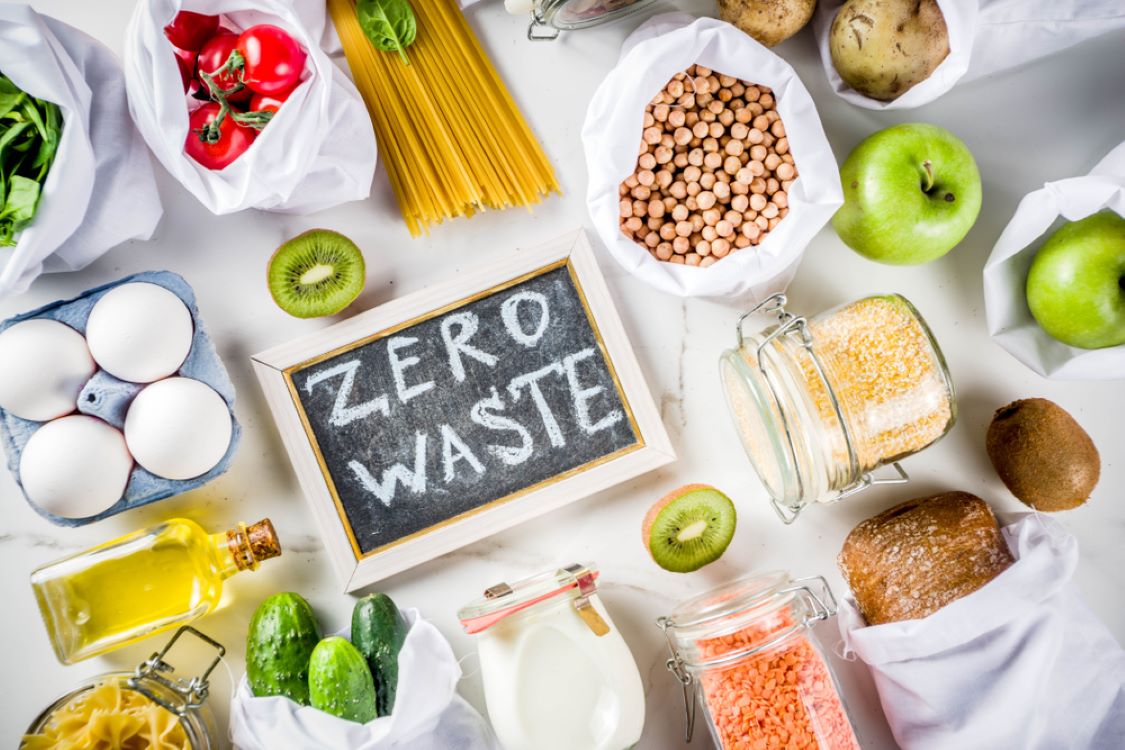
Preventing wasted food is essential to long term environmental sustainability. When food is wasted it affects multiple resources including water, land, fuel, and packaging materials. As we use these resources they contribute to greenhouse gases and emissions, add to landfills; along with the effort expended during the growing, raising, processing, and delivery of foods to establishments and individuals. You can do your part and be proactive by educating yourself on ways to prevent, recycle, and reduce the amount of food your establishment or you personally use.
There are many resources available to help reduce food waste. Visit the Minnesota Pollution Control Agency to learn more and see what support is available.
Preventing food from going to waste is one of the easiest and most powerful actions you can take to save money and reduce your environmental footprint.
Wasted food prevention involves acting to reduce the amount of food that ends up in landfills and other waste streams.
By implementing these strategies, individuals and communities can contribute to a more sustainable food system and help conserve resources and energy in the workplace and at home.
What You Can Do
- Inventory management: Programs such as LeanPath, Winnow Solutions, and more are great inventory software programs that help businesses record and track trends of food waste and guide better purchasing practices.
- Employee Training: Tools are available to inspire, educate, and empower employees to act against food loss and waste in the workplace.
- Storing food properly.
- Avoid spoilage by selling at a reduced price using apps such as Too Good to Go.
- Reduce waste at home: Planning, prepping, and storing food can help your household waste less food.
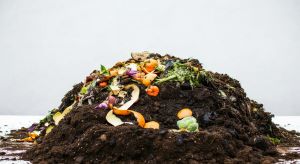
Recycling food waste means converting food waste into a useful product such as animal feed or compost. The goal of recycling food waste is to decrease the amount of food that ends up in the land fill, decreasing methane emissions.
What You Can Do
Compost: Mixing food scraps and yard trimmings to create soil. The Environmental Protection Agency (EPA) provides ingredients and steps to compost here: Composting At Home | US EPA
Anaerobic digestion: Using bacteria without oxygen to break down organic matter, such as food waste, to create biogas or digestate.
Animal feed: Using wasted or extra food to feed animals.

Food Rescue is diverting safe, edible food items from the trash to households in need.
What You Can Do
Donate: Save edible food from the landfill by donating to a local food shelf or food rescue program.
Volunteer: Volunteer your time to “rescue” or deliver food that would otherwise be discarded.

