|
Information on the Upper Midwest Invasive Species Conference, October 29-31, 2012
This is the gateway to information about invasive species and the efforts to address them in Minnesota. It includes information about MISAC, rankings of invasive species threats to the state, how to identify and report invasive species sightings, informational products, invasive species regulations, contact information for programs and people who work on invasive species, as well as links to select species profiles, and links to other web sites about invasive species.
 |
|
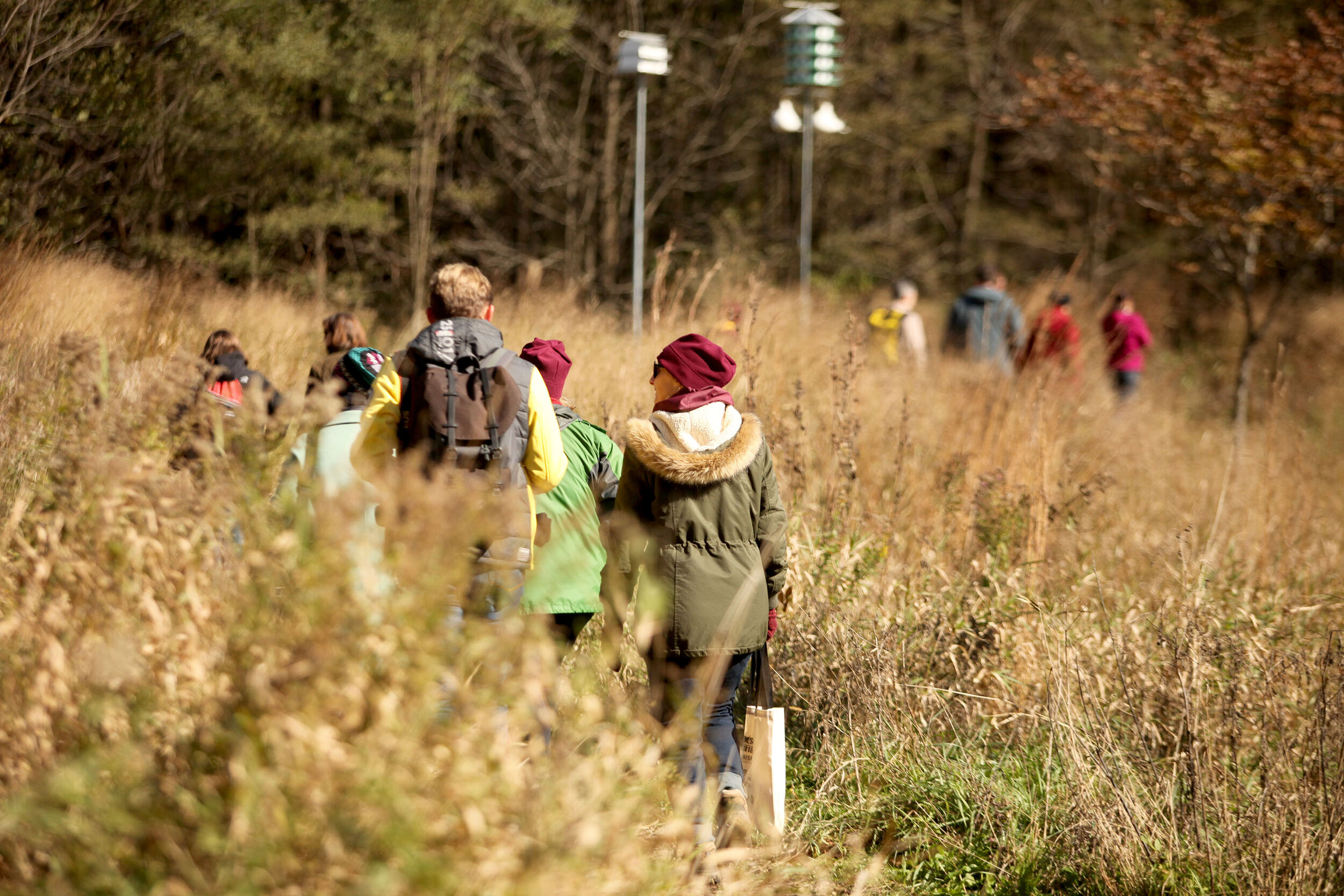
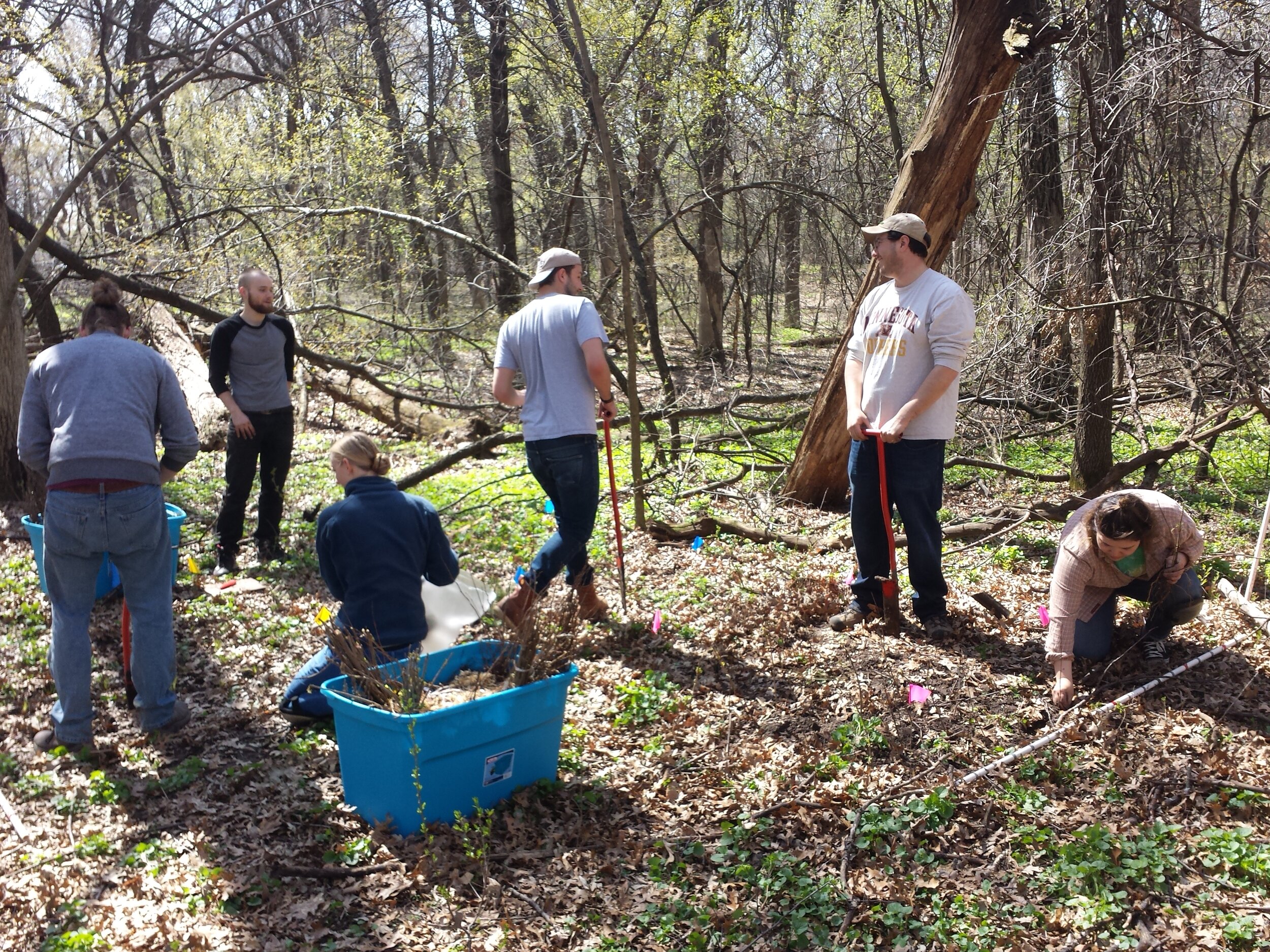
Group at MISAC event in Detroit Lakes
|
 |
|
Houndstongue site visit
|
 |
|
Spotted knapweed biocontrol insect collection
|
About MISAC
The Minnesota Invasive Species Advisory Council, a diverse group with a common interest in battling nonnative invasive species in Minnesota was initiated in May 2001. The Council was formed in response to Presidential Executive Order 13112 on invasive species, the National Invasive Species Management Plan, and Minnesota Legislation that encouraged the state to plan and take action on invasive species. An Interagency Exotic Species Task Force, initially formed in 1990, preceded the current state invasive species council.
The council is co-chaired by Minnesota Department of Agriculture (MDA) and Minnesota Department of Natural Resources (DNR) and now has 40 members and representatives organization involved in various aspects of invasive species research, prevention, and management.
The purposes of MISAC include:
- Reviewing information concerning the current status and management of terrestrial and aquatic invasive species including animals, insects, plants, and diseases in Minnesota.
- Promoting communication and cooperation among organizations involved in invasive species issues.
- Developing comprehensive lists of species that pose the greatest risks to Minnesota. These lists are used for educational purposes and to focus research and management needs, the lists do not have a regulatory purpose.
- Advocating for research and management for the species deemed greatest risk.
- Outreach and education on invasive species (such as the MISAC calendar)
- Recognizing great work related to invasive species and encouraging such work through the Carol Mortensen Award
- Supporting state-wide and multi-state conferences related to invasive species issues.
- Supporting trainings and field visits related to invasive species
- Maintaining the MISAC website to help the public locate invasive species resources
The Departments of Agriculture and Natural Resources are responsible for coordinating the management of invasive species in the state. Department of Agriculture staff conduct surveys for invasive pests such as gypsy moth, emerald ash borer, Grecian foxglove, bark beetles, soybean rust, sudden oak death and chrysanthemum white rust disease and also oversee the state noxious weed and seed laws. The DNR is responsible for aquatic invasive species and vertebrate terrestrial invasive species such as zebra mussel, Eurasian water milfoil, flowering rush, curly-leaf pondweed, mute swans, invasive fish and purple loosestrife. See the summary of regulating authorities for various invasive species for more information
MISAC Member organizations include:
Bailey Nurseries
Leech Lake Division of Resource Management
Minnesota Association of County Agricultural Inspectors
Minnesota Board of Soil and Water Resources
Minnesota Crop Improvement Association
Minnesota Department of Agriculture
Minnesota Department of Natural Resources
Minnesota Department of Transportation
Minnesota Farm Bureau
Minnesota Forestry Association
Minnesota Nursery and Landscape Association
Minnesota Shade Tree Advisory Committee
National Park Service
Soil and Water Conservation Society – Minnesota Chapter
The Nature Conservancy
University of Minnesota – Weed Science
University of Minnesota – Extension
University of Minnesota Sea Grant Program
U.S. Department of Agriculture – Animal Plant Health Inspection Service – Plant Protection and Quarantine (APHIS-PPQ)
U.S. Department of Agriculture – National Resources Conservation Service (NRCS)
U.S. Fish and Wildlife Service
U.S. Forest Service
|